Forecasting
Models that estimate demand, volumes or other measures to support planning.
- Time-series analysis
- Scenario comparisons
- Forecast accuracy tracking

Intelligent Systems
We help teams build machine learning models for forecasting, classification and anomaly detection, and put the results in front of the people making decisions.
Where It Helps
Machine learning is worth exploring when you have historical data and decisions that repeat often enough to learn from.
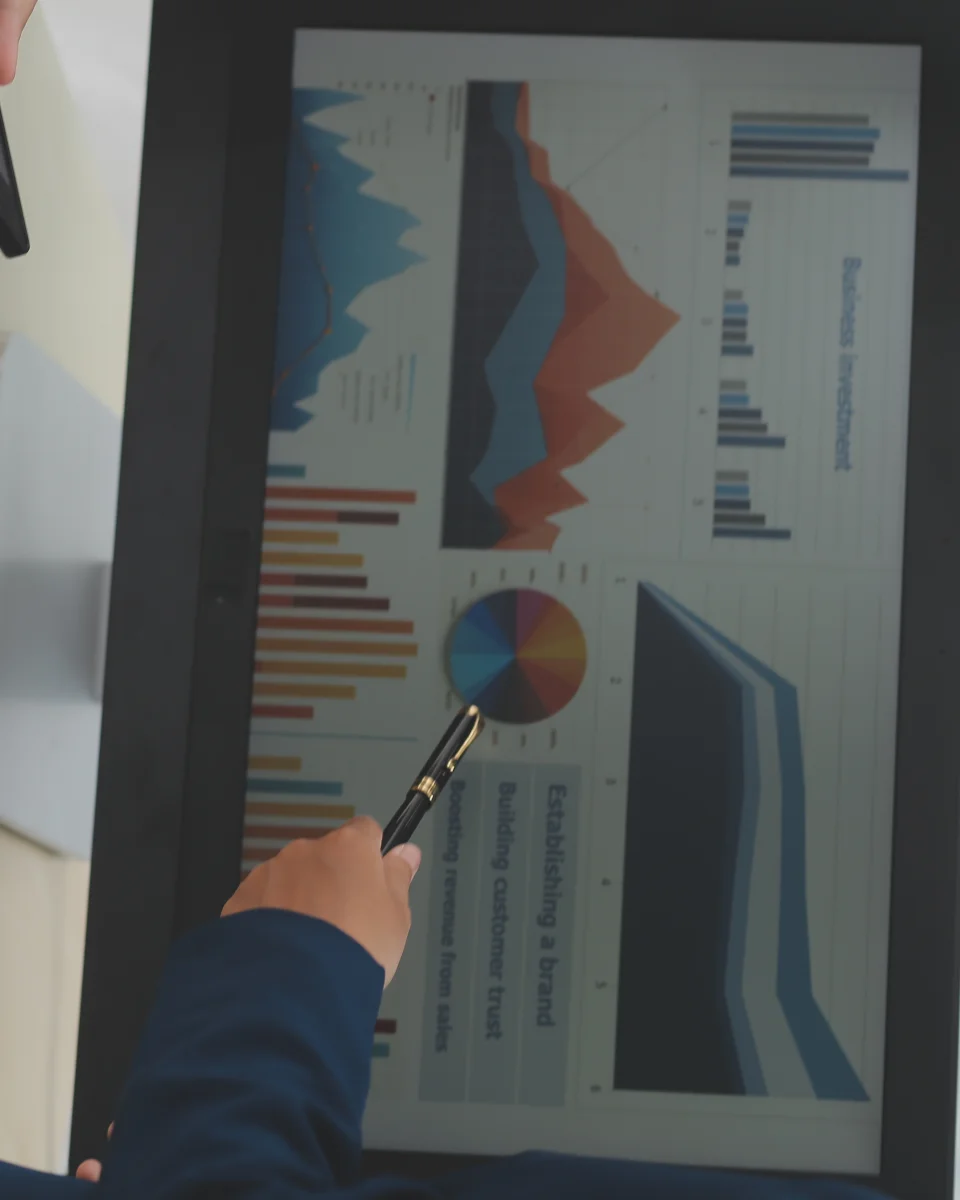
We use your historical data to build forecasts that planners can compare against their own estimates.
ForecastingWe build scoring models with explainable outputs, so people can see why a case ranks higher.
Classification & ScoringWe set baselines for normal activity and flag unusual patterns for your team to review.
Anomaly DetectionWe put monitoring in place to track performance as data changes and plan when to retrain.
Model Deployment & MonitoringCapabilities
We focus on models people can understand and act on, not only on technical scores.
Models that estimate demand, volumes or other measures to support planning.
Models that sort, rank or score records to help teams prioritize their attention.
Identifying unusual patterns in transactions, operations or system data for review.
Moving models into everyday use and checking that they keep performing as data changes.
How We Work
Model work depends on the data, so we check its quality and fit before committing to an approach.
We clarify what will be predicted, who will use it and how it changes their work.
OutcomeA clear prediction target and success measure
We gather, clean and explore historical data to see what it can support.
OutcomeA prepared dataset and a view of its limits
We build candidate models and test them on data they have not seen.
OutcomeA validated model with explained results
We put the model into everyday use and track how it performs over time.
OutcomePredictions in use, with monitoring in place
Related Services
There is no single answer; it depends on the problem and how much the data varies. Reviewing your data early tells us whether it can support a useful model.
Where it matters for the decision, we favour approaches and reporting that show the main factors behind a prediction, so users can judge when to rely on it.
Models can lose accuracy as conditions change. We set up monitoring and agree a plan for review and retraining as part of deployment.
Intelligent Systems
Tell us about the decision you want to improve and the data behind it, and we can discuss what a model could realistically support.
